
Requesting a painting estimate is the first step toward transforming your home or business with fresh, vibrant colors. However, not all painting estimates are created equal, and the questions you ask during this process can make the difference between a flawless paint job and a costly disappointment. Whether you’re planning an interior refresh or a complete exterior makeover, understanding what to ask ensures you partner with qualified professional painters in Sedona who deliver quality results.
This comprehensive guide walks you through the critical questions every property owner should ask when obtaining a painting estimate, helping you make informed decisions and avoid common pitfalls that could compromise your investment.
Understanding Warranty Coverage and Paint Quality
One of the most important aspects of any painting project is understanding the warranty protection that comes with your investment. A warranty serves as your safety net, protecting you from premature paint failure and ensuring long-term satisfaction with your project.
What Kind of Warranty Do You Provide?
Always ask about warranty coverage before committing to any painting contractor. Professional painting companies should offer clear warranty terms that cover both materials and workmanship. A comprehensive warranty typically ranges from 2 to 5 years for interior work and 3 to 7 years for exterior projects, depending on the paint quality and environmental factors.
Quality contractors will transparently explain what their warranty covers, including:
- Paint adhesion failures – Peeling, bubbling, or flaking caused by application issues
- Color fading – Premature discoloration beyond normal weathering
- Workmanship defects – Issues resulting from improper preparation or application techniques
- Coverage limitations – Exclusions for damage from extreme weather, physical impact, or improper maintenance
Different paint grades offer varying warranty lengths. Premium paints with advanced formulations typically come with longer manufacturer warranties, while economy options may have limited coverage. Understanding these distinctions helps you balance upfront costs against long-term protection.
Surface Preparation and Pre-Painting Work
The longevity and appearance of any paint job depends heavily on proper surface preparation. This critical phase often separates professional results from amateur work, yet it’s frequently overlooked in initial estimates.
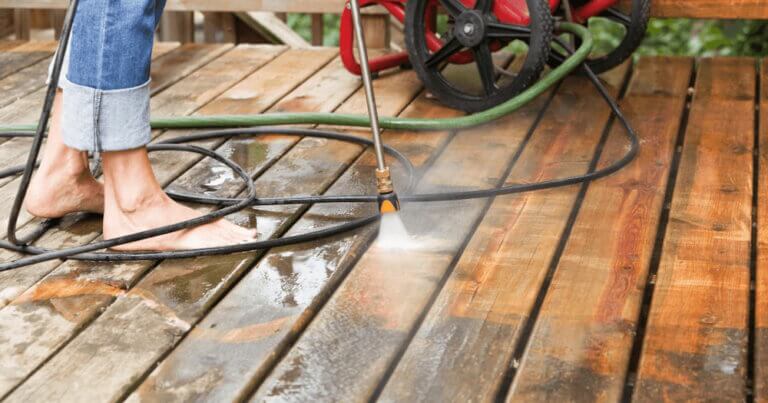
Does the Exterior Quote Include Sanding or Power Washing?
Surface preparation should always be explicitly included in your painting estimate. For exterior projects, proper preparation typically involves power washing to remove dirt, mildew, and loose paint chips. Depending on your home’s current condition, additional work may include:
- Pressure washing – Removing accumulated grime, mold, and chalky residue
- Scraping and sanding – Smoothing rough surfaces and eliminating peeling paint
- Wood repair – Replacing damaged boards or filling cracks and holes
- Caulking and sealing – Protecting against moisture infiltration
- Primer application – Ensuring proper paint adhesion and uniform coverage
Changing your home’s exterior color requires especially thorough preparation. Surfaces must be clean, smooth, and properly primed for the new paint to adhere correctly and provide lasting beauty. When reviewing estimates, verify that all necessary preparation work is itemized and included in the quoted price rather than treated as optional add-ons.
Things to Know About Painting Estimates
Before scheduling consultations with painting contractors, understanding these key facts will help you evaluate estimates more effectively:
- Detailed estimates matter: Comprehensive quotes should specify paint brand, quality grade, number of coats, square footage, and timeline rather than providing a single lump sum
- Written estimates protect you: Always request written documentation that clearly outlines scope of work, materials, costs, and payment terms
- Multiple estimates provide perspective: Obtaining 3-4 estimates helps you understand market rates and identify unusually low bids that may signal corner-cutting
- Price isn’t everything: The lowest estimate rarely represents the best value when factoring in paint quality, preparation work, and warranty coverage
- Licensed and insured contractors are essential: Verify that any contractor you consider carries proper liability insurance and workers’ compensation coverage
- Paint quality varies significantly: Premium paints cost 30-50% more than economy options but typically last twice as long and provide superior coverage
- Labor represents 70-80% of costs: Most painting expenses come from skilled labor rather than materials, making contractor experience crucial

Evaluating Contractor Experience and Portfolio
A contractor’s past work speaks volumes about their capabilities, attention to detail, and commitment to quality. Reviewing their portfolio provides tangible evidence of their expertise and helps you visualize potential outcomes for your project.
May I See Photos of Jobs You Have Done?
Reputable painting contractors should readily share examples of their completed projects. Experienced professionals typically maintain comprehensive portfolios showcasing various project types, color schemes, and challenging situations they’ve successfully handled.
When reviewing a contractor’s portfolio, look for:
- Similar project types – Experience with projects matching your scope and complexity
- Clean lines and sharp edges – Evidence of meticulous taping and cutting techniques
- Uniform coverage – Consistent color without streaks, lap marks, or thin spots
- Detailed prep work – Before and after photos showing surface preparation quality
- Diverse color applications – Competence with both subtle neutrals and bold accent colors
Many professional contractors also maintain online galleries on their websites or social media platforms. These digital portfolios often include customer testimonials and project descriptions that provide context about challenges overcome and solutions implemented. If you’re considering advice on choosing paint colors that complement Sedona’s unique architectural styles, experienced contractors can share examples of successful color selections in similar environments.
Additional Critical Questions for Your Estimate Meeting
Beyond the foundational questions about warranty, preparation, and portfolio, several other inquiries help you thoroughly evaluate potential painting contractors and ensure project success.
What Paint Brands and Products Do You Recommend?
Professional painters develop preferences for specific paint brands based on performance, durability, and ease of application. Ask contractors to explain their paint recommendations and why they favor particular products. Quality contractors should discuss options at various price points while explaining the trade-offs between economy, mid-grade, and premium paints.
For homeowners considering resale value, inquire about colors that appeal to buyers. Some contractors can provide guidance on best paint colors to increase your homes value based on market trends and local preferences.
How Long Will the Project Take?
Understanding the project timeline helps you plan accordingly and sets realistic expectations. Ask for a start date, estimated completion date, and the typical daily work schedule. Professional contractors account for weather delays on exterior projects and should provide contingency plans for unexpected complications.
Will You Handle All Necessary Permits?
Some municipalities require permits for exterior painting, particularly for historical properties or when changing colors significantly. Verify whether the contractor will obtain necessary permits and include associated costs in the estimate.
How Do You Protect Surrounding Areas?
Quality contractors take extensive measures to protect your property during painting. Ask about their processes for covering floors, furniture, landscaping, and fixtures. Understanding their protection protocols indicates their professionalism and attention to detail.
What Is Your Payment Schedule?
Reputable contractors typically request a modest deposit (10-25% of the total cost) to secure your spot and purchase materials, with the balance due upon satisfactory completion. Be wary of contractors demanding large upfront payments or full payment before starting work.
Red Flags to Watch for During the Estimate Process
Certain warning signs should prompt you to look elsewhere for painting services. Recognizing these red flags protects you from substandard work and potential financial loss.
- Reluctance to provide references – Established contractors should readily offer contact information for satisfied customers
- Pressure tactics or limited-time offers – Quality work doesn’t require high-pressure sales techniques
- Vague or incomplete estimates – Professional quotes detail specific work to be performed
- No physical business address – Legitimate businesses have established locations and can be verified
- Demands for full payment upfront – Standard practice involves deposits with balance due upon completion
- Lack of proper insurance – Never hire contractors without verified liability and workers’ compensation coverage
- Significantly lower bids than competitors – Extremely low prices often indicate shortcuts in preparation or inferior materials
When searching for the best painting company for your project, thorough vetting and asking pointed questions helps you identify contractors who prioritize quality and customer satisfaction.
Comparing Multiple Estimates Effectively
Once you’ve gathered several estimates, comparing them systematically ensures you make an informed decision based on value rather than price alone.
Create a Comparison Chart
Develop a spreadsheet or chart comparing key factors across all estimates:
- Total project cost broken down by materials and labor
- Paint brand and quality grade specified
- Number of coats included
- Preparation work detailed in estimate
- Warranty length and coverage terms
- Project timeline and completion date
- Payment schedule and terms
- Insurance coverage verification
Assess Overall Value
The lowest bid doesn’t always represent the best value. Consider the complete package including paint quality, preparation thoroughness, warranty coverage, contractor experience, and communication responsiveness. A mid-range estimate from an experienced, well-reviewed contractor often provides better long-term value than a rock-bottom price from an unknown entity.
Frequently Asked Questions
How many estimates should I get for a painting project?
Obtain 3-4 detailed estimates from licensed, insured contractors. This range provides sufficient perspective on market rates and service offerings without overwhelming your decision-making process. Fewer than three estimates may not give you adequate comparison points, while more than four can create confusion without adding significant value.
Should I choose the lowest painting estimate?
No, the lowest estimate rarely represents the best value. Extremely low bids often indicate shortcuts in surface preparation, use of inferior paint products, inexperienced labor, or lack of proper insurance coverage. Focus on overall value including paint quality, warranty coverage, contractor experience, and thoroughness of preparation work rather than price alone.
Are painting estimates free?
Yes, reputable painting contractors typically provide free, no-obligation estimates. Professional estimators visit your property, assess the scope of work, take measurements, discuss your preferences and concerns, and provide detailed written quotes at no charge. Be cautious of contractors who charge for estimates, as this is not standard industry practice.
How detailed should a painting estimate be?
A professional estimate should provide comprehensive details about all aspects of the project. Quality estimates specify the exact areas to be painted with square footage, paint brand and product line, number of coats, all preparation work included, labor costs, materials costs, project timeline, payment schedule, and warranty terms. Vague estimates with single lump-sum prices make it impossible to compare contractors effectively or understand exactly what you’re paying for.
What preparation work should be included in an exterior painting estimate?
Comprehensive exterior estimates should include power washing, scraping loose paint, sanding rough surfaces, caulking gaps and cracks, priming bare wood or stained areas, and protecting landscaping and fixtures. Depending on your home’s condition, estimates may also include wood repairs, rot removal, and extensive surface repairs. All necessary preparation should be explicitly listed in the estimate rather than assumed or left as potential add-ons.
How long does paint warranty coverage typically last?
Interior paint warranties typically range from 2-5 years, while exterior warranties span 3-7 years. Warranty length depends on paint quality, environmental conditions, and proper surface preparation. Premium paints from major manufacturers often include longer warranty coverage than economy-grade products. Always request written warranty documentation specifying exactly what is covered and any exclusions or conditions that apply.
What questions should I ask about paint quality?
Ask about the specific paint brand, product line, finish type, coverage rate, and expected longevity. Inquire whether the contractor recommends premium, mid-grade, or economy paint for your project and why. Request information about VOC levels if indoor air quality is a concern. Professional contractors should explain the differences between paint grades and help you select products that balance your budget with performance expectations.
Should the estimate include a written contract?
Yes, always insist on a detailed written contract before work begins. The contract should include all information from the estimate plus start and completion dates, payment schedule, change order procedures, cleanup responsibilities, and signatures from both parties. Never proceed with a painting project based on verbal agreements or handshake deals, as written contracts protect both you and the contractor.
Making Your Final Contractor Selection
After gathering estimates, reviewing portfolios, checking references, and comparing value propositions, trust your instincts about which contractor feels right for your project. The ideal painting contractor combines competitive pricing with proven expertise, clear communication, comprehensive insurance coverage, and a genuine commitment to customer satisfaction.
Professional painting transforms your property’s appearance and protects your investment for years to come. By asking the right questions during the estimate process, you position yourself to make an informed decision that delivers beautiful,